
Area
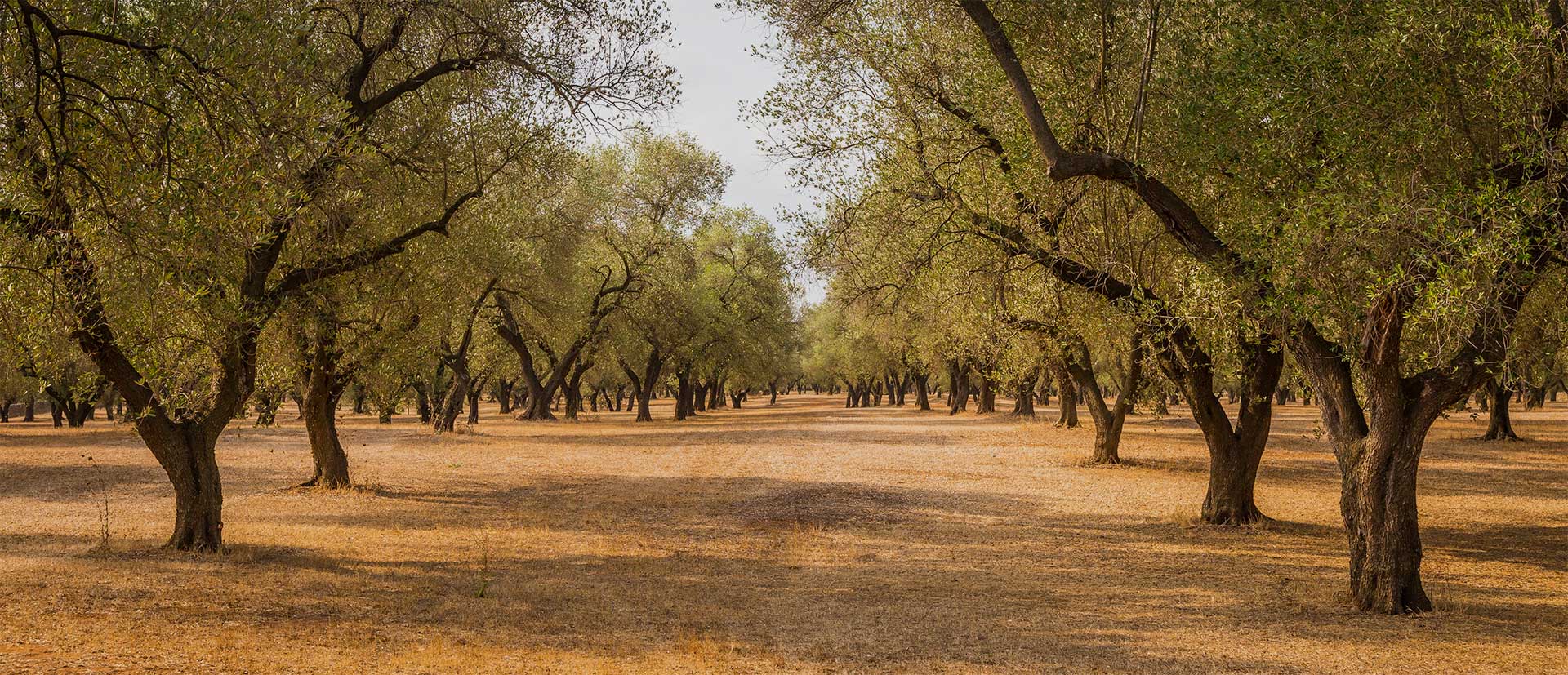
Kyparissia, in western Messinia, is a place where nature, history, and cultivation have coexisted harmoniously for centuries. Situated between the Ionian Sea and the gentle hills of the Messinian land, the area enjoys a unique microclimate that favors agricultural production, especially olive cultivation.

Kyparissia’s relationship with the land is timeless. From antiquity through the Byzantine era and into modern times, this place has been a center of cultivation, trade, and production. For many centuries, it was known as Arcadia, a name associated with people from the inland areas who settled here, cultivated the land, and made use of the region’s natural wealth. This history remains alive in the landscape, the olive groves, and the agricultural traditions that continue to this day.
The mild climate, fertile soils, and proximity to the sea create ideal conditions for producing high-quality agricultural products. The Kalamon PDO olive, a key element of local production, expresses the natural identity of the area and the deep knowledge of the people who work the land.

For us at Arcadia – Ioannis Stathopoulos, Kyparissia is not simply the place where we operate. It is the place that shaped us. It is the environment in which we learned to respect nature, cultivate with patience, and value quality and authenticity. Each of our products carries the character of this land: simplicity, care, and timeless value.
For us, Kyparissia is a point of reference and a source of inspiration. It is a place that reminds us every day that quality begins with the land, and that true value lies in the relationship between people and their homeland.
The Olive Tree - The Fruit of the Olive Tree
Today, commercial olive production generally occurs in two geographical zones around the world, between 30º and 45º (North and South), where climatic conditions for cultivation and production are ideal. Most olive production takes place in the Mediterranean basin.

From a botanical point of view, the olive fruit is called a drupe, similar to a peach or plum.
Olives tend to have their maximum oil content (approximately 20-30 percent of fresh weight) and maximum weight six to eight months after the flowers appear. At that stage, they are black and will remain on the tree for several weeks.
Fresh, unprocessed olives are inedible due to the intense bitter taste of the fruit, which is caused by a substance called oleocanthal. In the Greek method of preparing black olives, the bitter taste is removed through fermentation (slow ripening). Olives are edible whether ripe or green.

Nowadays, the best type of olive for food is considered to be the Greek “Kalamata olive” (Kalamata olive). It is a large-fruited variety, cylindrical in shape and curved at the top. The color of this variety ranges from green to greenish-red, violet, and even deep blackish-violet. The size of the fruit ranges from 1.5 to 2.5 centimeters.
Kalamata (Kalamon) olives are top-quality black olives cured in vinegar or wine. They are very firm and have a very good flavor characteristic of the variety. They are produced naturally without chemical preservatives. This type of olive is found exclusively in Greece.
Kyparissia, formerly known as Arkadia, is a town of about 6,000 inhabitants, 65 km west of Kalamata. The town is almost entirely surrounded by olive groves and is geographically an ideal area for the production of Kalamata olives and olive oil.
In Greece, the most important varieties of table olives are the Konservolia and the Chalkidiki variety. In addition to these varieties, table olives are also produced from the Megaritiki, Korthiki, Igoumenitsa, Throumba, Thasos, Alexandroupolis, and Mytilene. The size of the fruit is determined based on the number of fruits contained in one kilogram.
The Olive Tree - Healing Properties
 Olive juice, otherwise known as olive oil, is a delicious source of antioxidants. This oil is monounsaturated and has a positive effect on cholesterol levels in our bloodstream. Monounsaturated fats are not considered “essential,” but they should be an important part of our diet. Olive oil acts to prevent cholesterol from sticking to the walls of our arteries. Not only that, but it helps control blood sugar, a big advantage in a controlled carbohydrate diet. Ultimately, when sugar is under control, insulin is also under control, which is a huge factor in the storage of food as fat in our bodies.
Olive juice, otherwise known as olive oil, is a delicious source of antioxidants. This oil is monounsaturated and has a positive effect on cholesterol levels in our bloodstream. Monounsaturated fats are not considered “essential,” but they should be an important part of our diet. Olive oil acts to prevent cholesterol from sticking to the walls of our arteries. Not only that, but it helps control blood sugar, a big advantage in a controlled carbohydrate diet. Ultimately, when sugar is under control, insulin is also under control, which is a huge factor in the storage of food as fat in our bodies.
Rich in antioxidants that strengthen the immune system, the Greek diet provides anti-cancer ingredients, healthy omega-3 fatty acids, and cleansing fiber, all of which help reduce the risks of diet-related diseases, including heart disease, obesity, and diabetes. A 2003 study conducted jointly by researchers at the University of Athens in Greece and Harvard University found that people who consumed a traditional Greek diet had a 33 percent lower risk of death from heart disease and a 24 percent lower risk of death from cancer.
Numerous studies, including one published by the American Heart Association, have shown that people who follow a diet rich in monounsaturated fats, such as the traditional Greek diet, have a lower risk of heart disease than people who eat more saturated fats, which are found in butter and margarine.
Researchers have also found that people who consume olive oil also have a lower risk of other diseases. Studies conducted at Harvard University’s Department of Public Health show a link between olive oil consumption and a reduction in the incidence of breast cancer and osteoporosis.
And a 1999 study conducted at the University of Athens Medical School showed that the Mediterranean diet may even help protect against rheumatoid arthritis. People who consumed olive oil and cooked vegetables had a 39 percent lower risk of developing this disease.